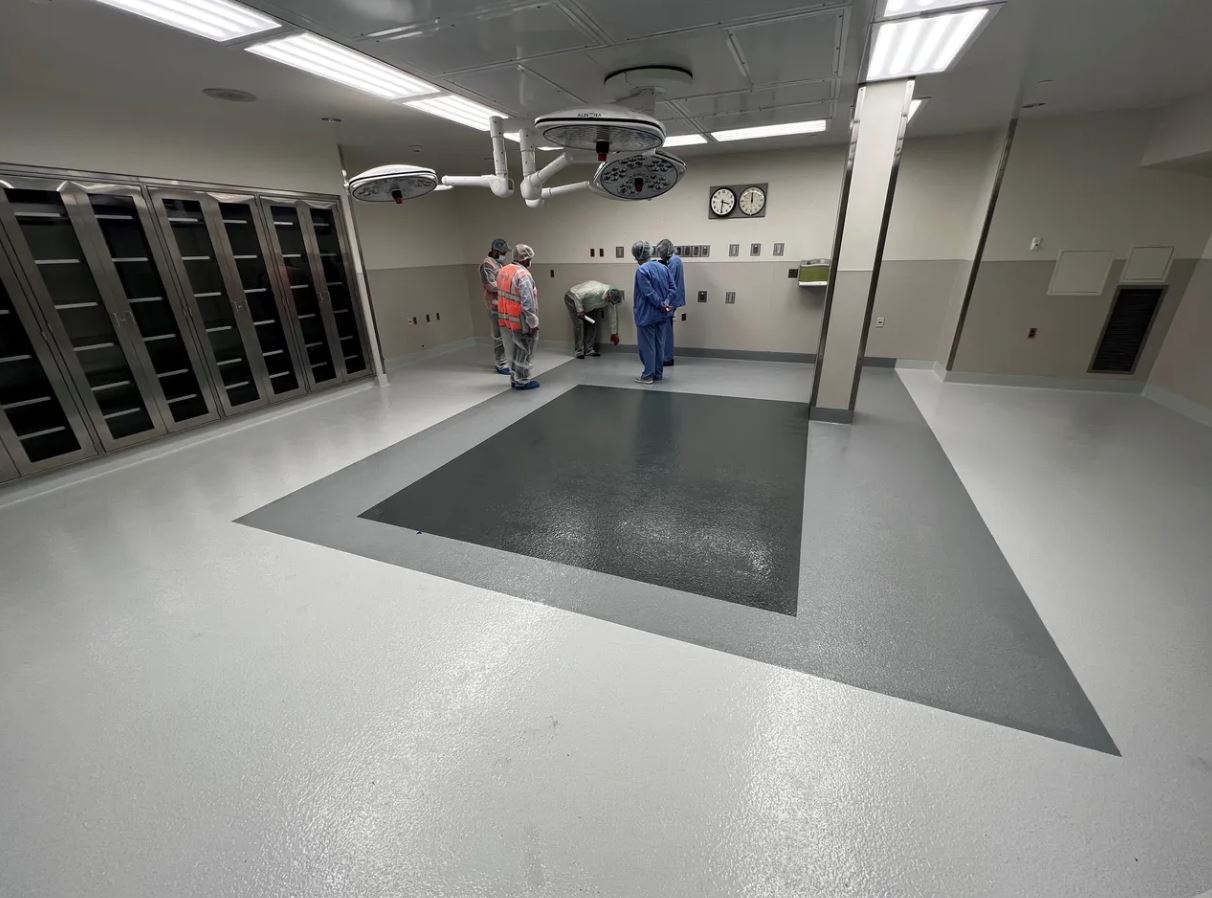
Let's talk about polished concrete. It's that smooth, reflective concrete you see in homes, showrooms, and warehouses. The process involves grinding, honing, and densifying the concrete. We smooth it out and make it tougher. The sealer application is very important.
Here is why. It helps control dust. Also, the right sealer gives polished concrete that shine everyone loves. It creates a low-maintenance, industrial-grade floor that's also naturally beautiful. It works for homeowners wanting durable, stylish floors, or property managers needing something that can withstand heavy foot traffic.
But here's where things can go wrong. If the sealer isn't applied correctly, you'll see problems, like a dull finish or peeling and cracking. We'll cover what causes these sealer application failures and how to spot them early. Most importantly, we'll discuss how to prevent them. Want a reliable Flooring Contractor in Denver residents depend on for new flooring projects.. Nobody wants to invest in polished concrete only to have the sealer mess it up.
Let's explore why sealers are so important for polished concrete. Polished concrete isn't just about a shiny floor. The process involves grinding, honing, and densifying the concrete. This creates a smooth, reflective surface ideal for homes, showrooms, and warehouses. These floors offer low maintenance and industrial strength, plus they have a natural look.
Without a good sealer, you miss a key piece. Sealers are important for a few reasons. First, they boost the floor's toughness. Polished concrete is already tough, but a sealer adds protection against wear, especially in busy areas. Second, they aid in stain resistance. Nobody wants spills soaking into concrete. A good sealer creates a barrier that stops stains from penetrating the surface, making cleanup easier. Third, sealers can improve the shine and color of the polished concrete, making it look better. They also help with dust control, which is helpful in places like warehouses.
Sealers protect your investment. You put in the work to polish your concrete, so don't skip the sealer. It keeps it looking good and working well for years.
Polished concrete is becoming more popular, and there's a reason. It's not just for warehouses anymore. Homeowners, commercial property owners, and even real estate investors choose this durable flooring. The process grinds down the concrete, hones it to the desired smoothness, and then densifies it to increase strength. This creates a smooth, reflective surface that can change any space, from homes to warehouses.
Polished concrete is durable, but a sealer is key for long-term performance. Sealers add protection against stains and wear. They also control dust, a common concern with concrete floors. A good sealer makes the surface shine and easier to clean. Without a sealer, polished concrete is more open to damage and may need more upkeep.
Homeowners often worry about how their floors look and how clean they are. Sealed polished concrete offers a solution that's easy to keep clean. Spills wipe up fast, and regular sweeping is often enough. The colors and finishes let homeowners match the floors to their style. What about coldness? Rugs or floor heating can help.
Commercial property owners want durability and value. Polished concrete works for both. Its strength can handle heavy traffic, so it's good for retail spaces and offices. The low upkeep means lower cleaning costs and less repair time. Also, its modern look can help a commercial property attract tenants.
General contractors can suggest polished concrete because it's a green and useful flooring choice. It uses the existing concrete, cutting down on waste. Polished concrete can be changed to fit each project, from shine level to color. This lets contractors offer a great flooring option that adds value.
Inadequate surface preparation is a primary cause of sealer failure. Contaminants like dirt, oil, and existing coatings can prevent the sealer from properly bonding. Thorough cleaning, degreasing, and profiling of the surface are essential steps to ensure proper adhesion and prevent premature failure.
Applying sealer too thickly or thinly can lead to problems. Thick applications may result in bubbling or cracking during curing, while thin applications may not provide adequate protection. Following the manufacturer's recommended application rates and techniques is crucial for optimal performance and longevity.
Environmental conditions during and after application significantly impact sealer performance. Extreme temperatures, high humidity, or rain can interfere with the curing process. Monitoring weather forecasts and ensuring appropriate environmental conditions are present are important preventative measures.
How to Ensure Proper Concrete Moisture Levels Before Resin Coating
Sealers sometimes fail on polished concrete. It can be frustrating. Here is why it happens. We can break it down into a few areas.
Surface prep matters. If you don't grind and hone the concrete before applying the sealer, it won't bond well. Imagine painting over dirt. The paint will peel. You need a clean surface for the sealer to grab. Densifying is also helpful. It hardens the concrete. This makes it less likely to absorb moisture and weaken the sealer from below.
Next, consider the sealer itself. Many different sealers exist, such as acrylics, polyurethanes, and epoxies. They aren't all the same. Some work better for high-traffic areas. Others offer better chemical resistance. If you pick the wrong one, you risk failure. Read the product data sheets.
How you put it on also matters. If you use too much sealer, it can get cloudy or peel. If you use too little, you won't get enough protection. Follow the instructions on how to apply it, how many coats to use, and how long to let it dry. Don't go too fast.
Environmental factors also play a role. Temperature and humidity can change how the sealer cures. If it's too cold or humid, the sealer might not dry right. This can cause clouding or adhesion issues. What about UV exposure? Some sealers can't handle direct sunlight. Think about where the polished concrete is. Then choose a sealer that can handle the elements.
Let's explore why sealers sometimes fail on polished concrete. The reason often comes down to what happened before the sealer touched the floor. Surface prep matters.
Consider this: polished concrete means grinding, honing, and sometimes densifying the concrete to get a smooth, reflective look. This look works well for homes, showrooms, and warehouses. We want that industrial, low-maintenance floor to shine. If the concrete isn't prepped correctly, the sealer won't stick, and the effort goes to waste.
Insufficient cleaning is a common issue. Sweeping up the dust isn't enough. You need a deep clean to remove all debris from the concrete pores. Improper grinding is another problem. If the concrete isn’t ground evenly, or if the wrong grit was used, the sealer will highlight those imperfections.
Existing contaminants also cause problems. Oil, grease, and old adhesives must be removed completely. If you seal over them, you trap them, and they interfere with the sealer's grip. The sealer might bubble, peel, or not cure. It's a problem.
If you skip steps or cut corners on surface preparation, you risk sealer failure. That means redoing everything, which costs more time and money. So, do it right the first time!
Choosing the right concrete sealer matters. It is not a one-size-fits-all situation. Acrylic sealers are generally more affordable and easier to apply. Epoxies are known for their durability and resistance to chemicals, so they work well in garages or workshops. Polyurethanes offer abrasion resistance and flexibility, making them good for high-traffic areas.
The type of concrete itself matters. Is it indoors or outdoors? How much wear will it take? A showroom floor differs from a warehouse floor. For polished concrete, densifiers are often used before the sealer. These harden the concrete and make it less porous. The sealer then protects against stains and wear.
Traffic levels are a big factor. A light-traffic residential floor can use something less heavy-duty. But what about a commercial space? You should use something that can handle constant foot traffic and equipment.
Using the wrong sealer can cause problems like peeling, yellowing, or failing to protect the concrete. Then you are back to square one, spending more time and money to fix it. So, do your research and pick the right sealer for the job. It will save you trouble later.
Let's discuss how sealers can fail. A common issue with polished concrete is uneven sealer application. Some spots get too much sealer, and others don’t get enough. This looks bad and doesn’t protect the concrete evenly.
Over-application is another problem. People think more is better, but a thick coat of sealer leads to a sticky mess that takes a long time to dry. It can also trap moisture, which can cause clouding or peeling later.
Drying time matters. You must let the sealer dry before walking on it or replacing furniture. If you hurry, you risk scuffing, scratching, or ruining the finish.
So, what’s the right way? First, read the manufacturer's instructions. They know their product best. Use a proper applicator, like a microfiber pad or a sprayer, and apply thin, even coats. Don't flood the surface. Be patient and let each coat dry before applying the next. Proper prep and application are keys to a durable, dust-free, and beautiful polished concrete floor.
When you apply concrete sealer, the weather matters. Temperature and humidity are key, but other factors can cause problems.
If it is too hot, the sealer may dry too fast. This traps moisture and creates bubbles, or it does not bond well. If it is too cold, it might not cure right, leaving a sticky or weak surface.
Humidity is bad because sealers must evaporate to cure. If the air has too much moisture, the sealer sits there and does not harden. This can cause clouding, hazing, or peeling.
Always check the manufacturer's advice. They know their products. They will tell you the best temperature range and humidity for that sealer. Ignoring them invites problems.
Wind and direct sunlight affect drying time, so be aware of them. When working outside, pick a mild, overcast day. If that is not possible, adjust your method or use a different sealer. Mistakes mean redoing the job, and nobody wants that!
How do you know if your concrete sealer is failing? Here are a few things to look for.
Visually, peeling is a big warning. If the sealer is lifting off the concrete, that is a problem. Bubbling is another sign. Those pockets under the surface mean the sealer is not bonding right. Discoloration can also happen. It may look like yellowing or uneven color. Clouding, where the surface looks hazy, is also common. A loss of gloss shows the sealer is wearing away. Some spots may be dull while others are still reflective.
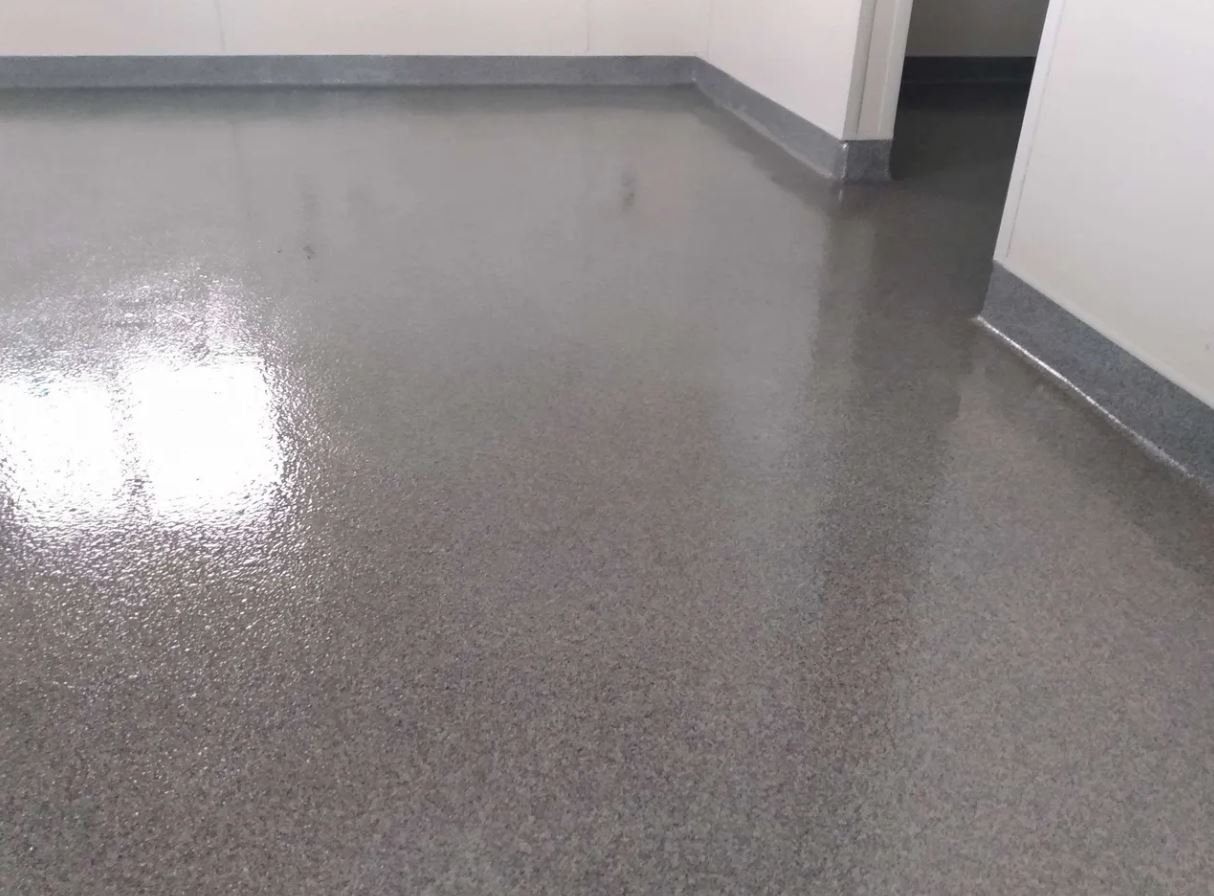
Touch also matters. If the floor feels tacky, the sealer is not curing right. Staining is another sign. A good sealer stops stains from getting into the concrete. If you see stains, the sealer is not working. Water getting in is a big issue. If water soaks into the concrete instead of beading up, the sealer has failed. Drop a few drops of water to test this. If it absorbs, you have problems. Fixing these issues early can stop bigger problems later. This saves you time and money on repairs.
You applied a sealer, and now you need to check it. Visual inspections help you spot problems early. You want to catch defects before they cause bigger issues.
First, lighting matters. Natural light works, but it can change. Artificial light is better, especially if you control the angle. Shine a light across the surface at a low angle. This shows imperfections like hazing, streaks, or uneven spots that you might miss. This is like checking a car for scratches.
Next, viewing angles matter. Don't just look straight down. Get down low. Squint. Change your view. Different angles show different flaws. It sounds simple, but most people don’t do it.
Finally, record everything. Photos help. Take close-ups and wide shots. Note the date, time, and conditions like humidity or temperature. Keep a written log of what you find, where you found it, and what caused it. This creates a record. If problems happen later, you have something to check. This helps if you need to make a warranty claim or learn from mistakes. A good inspection now can save you trouble later.
Do you have polished concrete and suspect the sealer might be failing? How can you be sure? Here are some straightforward tests to find out.
First, try the water droplet test. Put a few water drops on the surface in different spots. If the water beads up, the sealer is doing its job. If the water soaks in quickly or leaves a dark stain, the sealer is likely compromised. This quick visual check is easy to do.
Next, try adhesion tests. These require a bit more work. Use a utility knife to gently scrape the sealer off in a hidden area. If it flakes off easily, that is not good. For a more precise approach, use specialized adhesion testing kits. These kits glue a small dolly to the surface. Then, a pull-off tester measures the force needed to remove it. This shows how well the sealer bonds to the concrete.
Also, think about resistance to chemicals. Polished concrete in showrooms or warehouses is exposed to cleaners and spills. Find a hidden spot and put a few drops of common chemicals on the surface. Try degreaser or strong soap. Let it sit, then wipe it up. See if it stained or damaged the sealer. If so, the sealer cannot resist those chemicals.
These tests show the scope of the problem. They help you decide if you must reapply the sealer. Do not skip this step!
Let's discuss how to avoid sealant disasters, especially with polished concrete. You finished the grinding and perhaps some honing to smooth things out. You densified the concrete to make it strong. Now you’re ready for the sealer. This last step protects your investment and gets that shine.
First, assess the concrete. Is it clean? Seriously clean? Dust from polishing can affect the sealer bonding. Moisture is another problem. Sealers don't like damp concrete, so test it! Calcium chloride tests or relative humidity probes can give you a reading. Follow the sealer maker's advice on moisture levels.
Application matters. Thin, even coats beat thick globs. Too much overlap causes streaks. Too little means patchy protection. Use the right applicator. Microfiber pads or low-pressure sprayers often work best. And follow the drying times. Don't rush.
Inspect the finished surface. Look for sheen issues, spots where the sealer didn't take, or bubbles. If you see problems, fix them fast. Sometimes a light re-coat works. Ignoring it causes bigger problems later, like staining and a floor that doesn't look good.
Before you seal polished concrete, preparation is key. It's more than a quick sweep; it requires a close look.
First, check porosity. Does the concrete absorb liquid, or is it sealed? Drop a bit of water on the surface. If it soaks in fast, that's good. If it beads up, that's a problem. Existing coatings also cause issues. Old sealers and paint must be removed. Grinding often works, but ensure you remove everything. If not, the new sealer won't bond, and you'll have to start over.
Also, consider contaminants. Oil, grease, and dirt hurt adhesion. A degreaser and scrub brush can help. You might need a stronger cleaner, mostly in warehouses where forklifts leak. Power wash the surface, then power wash it again.
If you skip these steps, expect peeling, bubbling, and a sealer that won't last. This wastes time and money. Do it right, and your polished concrete will look great for years.
You have polished concrete and now must seal it. Which sealer do you pick? It depends on how you will use the floor.
Consider foot traffic. A showroom with light foot traffic differs from a warehouse floor with forklifts. For light traffic, a standard acrylic sealer works. They look good and are easy to apply. For heavy-duty situations, you need a urethane sealer or epoxy. These are tougher and can handle wear.
Then consider chemical exposure. Will this floor be around harsh chemicals, like in a garage or factory? If so, you need a chemical-resistant sealer. Again, epoxies are a good choice, as are some specialized urethanes. Always check the sealer's data sheet to see what chemicals it can withstand. Ignoring this can cause staining, etching, and a sealer that breaks down fast.
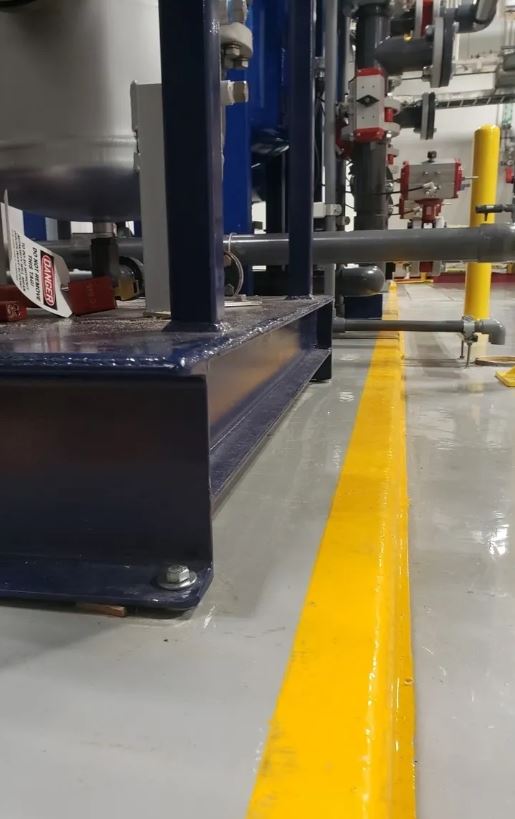
Finally, consider the look you want. Some sealers enhance the concrete's natural look, while others add shine. Acrylics are glossier, while penetrating sealers leave a matte finish. You can get tinted sealers to add color to the floor. Find the right balance between protection and looks. Don't grab the cheapest sealer at the store. Do your homework!
You have your polished concrete. Now, you need to seal it. How you apply the sealer depends on the type you use. Acrylic sealers are common. You will often use a solvent-resistant pump sprayer or a microfiber applicator. What about mixing ratios? Always check the manufacturer's instructions. Do not guess. Usually, it is ready to go from the container, but sometimes you might need to dilute it.
Epoxy sealers are different. These are often two-part systems. You must mix part A and part B. If you get the ratio wrong, the sealer will not cure. It will be sticky or fail. Use a jiffy mixer on a drill to blend them. Application is like acrylics, but work fast. Epoxy has a limited pot life.
Urethane sealers are durable but can be hard to apply. They often need specific surface prep and environmental conditions. Again, mixing matters. Use a high-quality applicator to avoid bubbles. Curing times vary, from hours to days, depending on the product and the temperature. Block off the area and keep people away until it is cured, or you will have footprints in your finish.
Keep your sealed concrete looking good with regular maintenance. Sweep up grit and dirt. These will scratch the surface. Mop regularly with a pH-neutral cleaner. Acidic cleaners can dull or damage the sealer.
How often should you re-apply the sealer? That depends on floor traffic. A showroom floor needs it more often than a home floor. Plan on re-sealing every 1–3 years. Watch the surface. If water stops beading, the sealer is wearing thin.
When should you call a pro? If you see deep scratches, stains, or peeling sealer, it's beyond a simple re-application. The floor might need cleaning, re-honing, and polishing before a new sealer coat. Grinding and polishing concrete isn't a DIY job. You need equipment and skills to do it right. Mistakes can lead to costly repairs. If you're unsure, get a professional opinion from a concrete polishing service. They can assess the floor and suggest what to do.
Let's examine real-world examples of sealer application gone wrong and how pros fixed them.
**Case Study 1: The Cloudy Showroom Floor.** A car dealership wanted a high-gloss polished concrete look for their showroom. The contractor used a solvent-based acrylic sealer but didn't let the concrete fully cure. Trapped moisture made a cloudy, white haze all over the floor. The old sealer was stripped. The floor was allowed to dry completely. This step is key! A breathable, water-based sealer was then applied. This made a big difference.
**Case Study 2: The Slippery Warehouse.** A warehouse owner chose the cheapest sealer option to control dust. This created a very slippery surface, especially when wet. This was a huge safety hazard. The existing sealer was ground off. Then a penetrating concrete densifier was applied. This hardened the concrete from within, controlled dust, and increased slip resistance. This made it much safer for forklift traffic.
**Case Study 3: The Peeling Nightmare.** A homeowner sealed their polished concrete kitchen floor. They didn't prep the surface well enough. The sealer started peeling within months. A professional ground down the peeling sealer. They thoroughly cleaned and prepped the surface. Then they applied a high-quality polyurethane sealer in thin, even coats. Now it's holding up great.
These cases show why a professional assessment is important. A pro can find the problem, understand the concrete's condition, and choose the right sealer and application method. DIY can work, but polished concrete is an investment. Don't risk a costly failure.
Do you have questions about concrete sealers? Many people do. Here are some common questions we hear.
Why seal concrete? To protect it. Concrete sealers act like a shield against stains, water damage, and wear. Sealing helps maintain the smooth, reflective surface of polished concrete. Homes, showrooms, and even warehouses can benefit.
When should you seal? Timing matters. New concrete must cure completely, usually for about 28 days, before sealing. For polished concrete, sealing is the last step after grinding, honing, and densifying. You want to lock in that finish.
How often should you reseal? It depends on foot traffic. A home floor might need resealing every 3–5 years. A busy warehouse might need it every year. Look for signs of wear, like dullness or stains.
What if you skip sealing? Your concrete will be more open to damage. Stains can become permanent. Unpolished concrete can get dusty. The polished shine can disappear fast. If you want low-maintenance, strong floors, sealing is a must.
Can I do this myself? Yes, but be careful. Prep is key. The concrete must be clean and dry. Apply the sealer evenly. Too much can make it sticky. Too little is a waste. If you are unsure, consider professional polished concrete services.
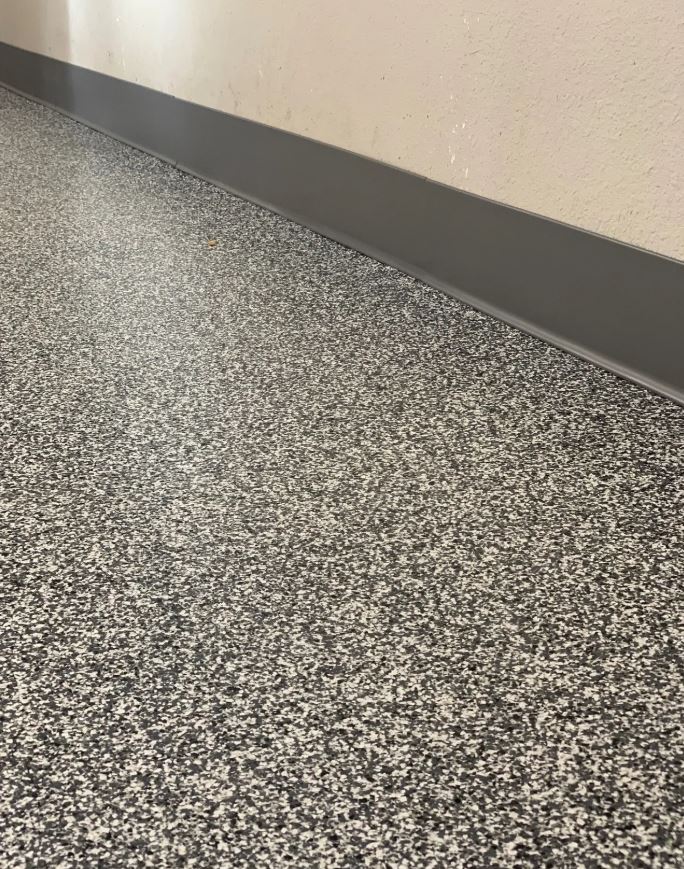
Getting that smooth, polished concrete look involves more than just applying sealer. It begins earlier with grinding, honing, and densifying the concrete. Grinding levels the surface and removes flaws. Honing makes it smoother. Densifying hardens the concrete and reduces its porosity.
Why do this? For homes, showrooms, and even warehouses, you get a floor that’s beautiful and tough. We're talking strong durability. Sealer application is a key final step. It controls dust and brings out the shine. It’s important for low-maintenance floors that keep that natural concrete look.
Finding the right contractor matters, especially in Denver. You want someone with polished concrete experience, not just any flooring installer. Find a contractor who knows Denver's climate and how it impacts concrete. Ask about their past work. Do they have examples? Can they give references from local customers? A good pro will be open about the process, the products, and possible issues. Ask questions. It's your floor.
Polished concrete turns plain concrete into something tough and attractive. The process grinds the surface and smooths it. Then, it hardens the concrete. It's like a major upgrade for your floor. Sealing is key for dust control and shine.
Why choose polished concrete? It's easy to care for, which helps homeowners and property managers. Also, it's very strong. This makes it good for busy places like stores or warehouses. You get a strong floor that also looks good.
When picking sealers, choose quality. Good sealers help the finish last. Also, applying a sealer takes skill. You must follow the rules. That means prepping the surface, picking the right sealer, and applying it evenly.
If you have questions, ask an expert. A pro can save you trouble and money. They can check your floor, suggest products, and do the job right. Ignoring advice can cause issues like color changes or peeling. It could even mean the sealer fails to protect the concrete. So, research and ask for help.